I’ll never forget the day I decided to dive into forex trading with just $100 in my pocket. It felt risky, exhilarating, and a little crazy all at once. Could I really make money trading currencies with such a small amount? The answer, I learned, is yes—if you’re smart about it. Today, I’m sharing my personal journey on how to start forex trading with $100, breaking it down into actionable steps so you can follow along.
First, I had to understand what forex trading even is. Forex, or foreign exchange, is the global marketplace where currencies are bought and sold. Think of it like a giant auction where the value of the dollar, euro, or yen fluctuates based on supply and demand. I was drawn to forex because it’s accessible 24/5, requires minimal startup capital, and offers the potential for profit even with small investments like mine.
My starting point was choosing a reliable forex broker. With only $100, I couldn’t afford to lose money to shady platforms, so I spent hours researching. I looked for brokers with low minimum deposits (some as low as $10), tight spreads, and regulation by bodies like the FCA or ASIC. I settled on a micro account with a broker that allowed me to trade micro-lots—tiny positions that let me risk just cents per trade. This was key to stretching my $100 while I learned the ropes.
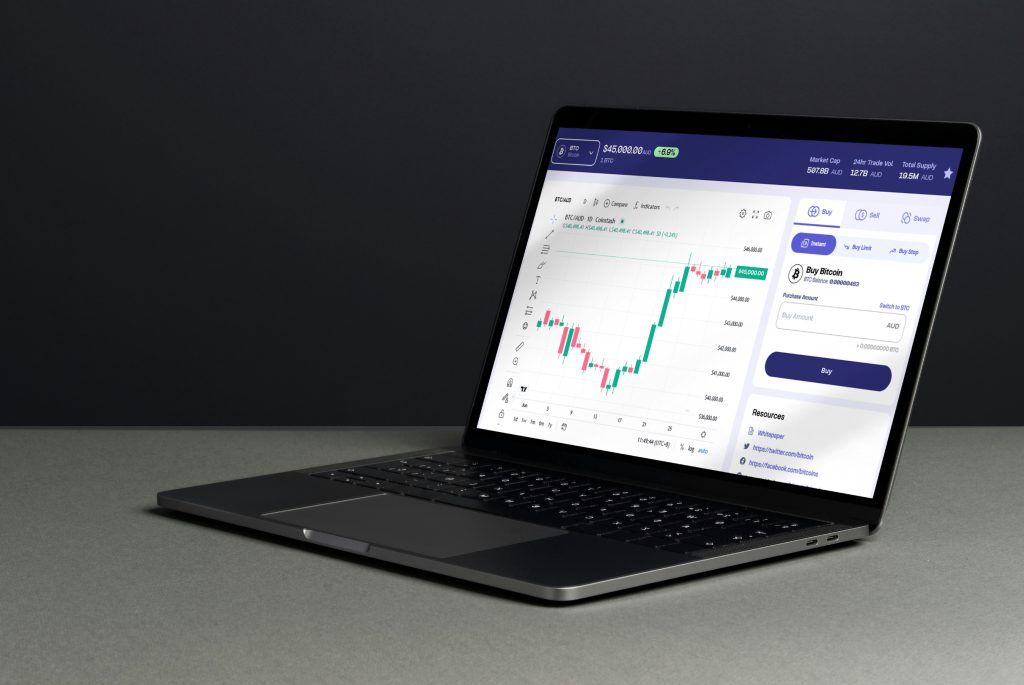
Next, I downloaded a trading platform. Most brokers offer MetaTrader 4 (MT4) or MetaTrader 5 (MT5), which are free and user-friendly. I went with MT4 because it’s widely supported and has tons of tutorials online. Setting up my account took minutes, and I funded it with my $100 via a debit card. Seeing that balance in my trading dashboard felt real—I was officially a forex trader!
If you’re looking for the best platforms to start investing, check out our guide
But I didn’t just jump in blindly. I knew education was critical, especially with such a small budget. I devoured free resources—YouTube videos, blogs, and forums like BabyPips. I learned key terms like “pips” (the smallest price move in forex), “leverage” (borrowing funds to amplify trades), and “margin” (the collateral needed to open a position). Leverage was a game-changer for me. My broker offered 1:100 leverage, meaning my $100 could control $10,000 worth of trades. It’s powerful but risky, so I promised myself to keep my risk low.
Risk management became my lifeline. With $100, I couldn’t afford big losses, so I adopted a rule: never risk more than 1-2% of my account on a single trade. For me, that meant $1-$2 per trade. I practiced this on a demo account first, placing fake trades to test strategies without losing real money. After a week, I felt confident enough to go live.
I started with a simple strategy: trading the EUR/USD pair, one of the most popular and least volatile forex pairs. I used a 15-minute chart to spot trends and relied on basic tools like moving averages to time my entries and exits. My first trade was a 0.01 micro-lot, risking $1 to potentially earn $2. When it closed in profit, I felt a rush—this was working!
Of course, it wasn’t all smooth sailing. I had losing trades, too. One day, I lost $5 because I didn’t set a stop-loss (a tool that automatically closes a trade at a set loss level). Lesson learned: always use stop-losses and take-profits to protect your capital. Over time, I refined my approach, focusing on discipline over emotion.
Growing my $100 took patience. I reinvested small profits, avoided overtrading, and stuck to my plan. After a month, my account hit $120—not a fortune, but proof I could grow it. If I can do it, so can you. Start small, educate yourself, and trade smart.
Amazon Book Suggestion:
This book breaks down forex basics and low-budget strategies, perfect for someone like me starting with $100.