
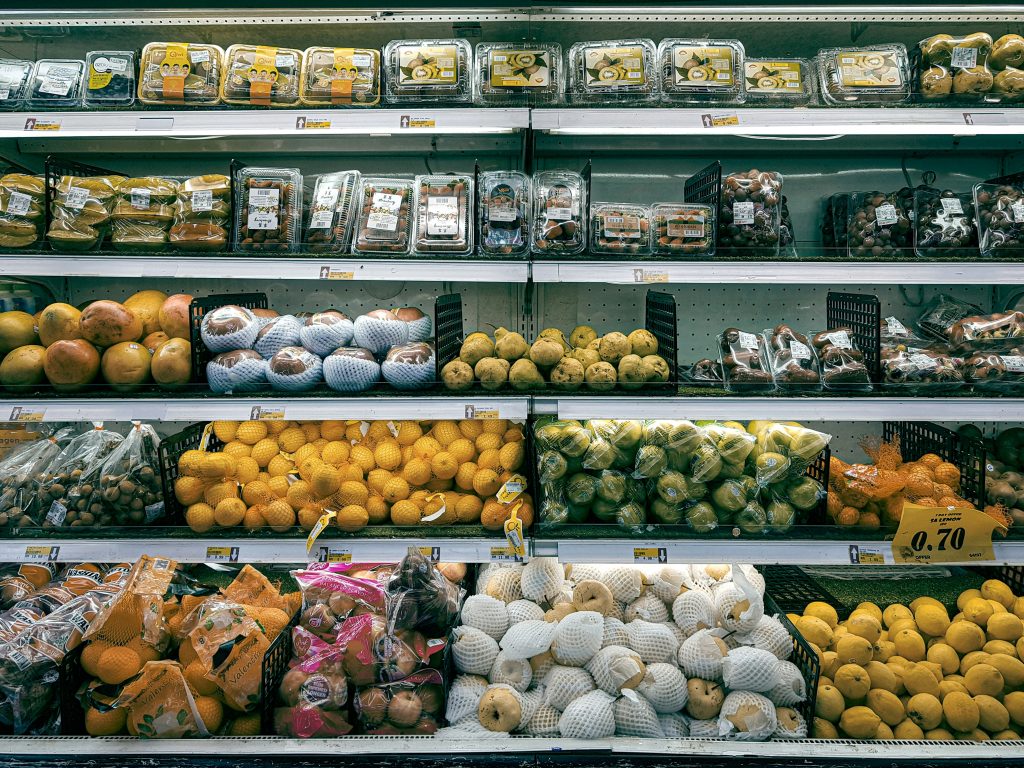
Grocery bills are one of the most flexible expenses in a household budget, which means there’s massive potential to save. With food prices rising steadily—up 3.4% year-over-year as of 2023, according to the USDA¹—learning how to trim your grocery spending is more important than ever. Whether you’re feeding a family or shopping for one, this guide will teach you actionable strategies to reduce your bill by 50% or more. Let’s dive in!
1. Master Meal Planning (Save 20–30%)
Meal planning is the cornerstone of grocery savings. By knowing exactly what you need, you’ll avoid overspending on impulse buys or forgotten ingredients rotting in your fridge.
How to Start:
- Take Inventory First: Check your pantry, fridge, and freezer. Build meals around items you already own.
- Theme Your Week: Assign themes like “Meatless Monday” or “Leftover Thursday” to simplify planning.
- Batch Cook Staples: Cook grains, proteins, and veggies in bulk to mix and match throughout the week.
Pro Tip: Use apps like Mealime or Plan to Eat to generate budget-friendly recipes based on sales and pantry staples.
Need help stretching a tight budget? Check out our step-by-step guide: How to Grocery Shop on a $50 Weekly Budget.
2. Shop Strategically (Save 15–25%)
Where and how you shop can make or break your savings goals.
Key Tactics:
- Stick to a List: Shoppers who use lists spend 23% less, reports a study by Marketing Letters².
- Compare Unit Prices: Check price-per-ounce labels to find the best deals. A Consumer Reports survey found 85% of shoppers overpay by ignoring unit pricing³.
- Buy Store Brands: Store-brand items cost 25–30% less than name brands and often taste identical⁴.
- Shop Seasonally: Buy produce in season for lower prices and better quality (e.g., berries in summer, squash in fall).
Best Days to Shop:
- Wednesday: Many stores roll out midweek sales.
- Early Morning: Hit the store right after restocking for the freshest markdowns on meat and bakery items.
3. Couponing & Cashback Apps (Save 10–20%)
Forget clipping paper coupons—digital tools make saving effortless.
Top Resources:
- Ibotta/Fetch Rewards: Earn cashback on groceries by scanning receipts.
- Store Apps: Kroger, Safeway, and Target offer digital coupons and personalized deals.
- Loyalty Programs: Sign up for free membership programs to unlock exclusive discounts.
Stack savings by pairing coupons with sale items! For more frugal living hacks, explore The Ultimate Guide to Frugal Living.
4. Choose the Right Store (Save 10–15%)
Not all grocery stores are created equal.
Price Comparison Tips:
- Discount Chains: Aldi, Lidl, and WinCo often undercut traditional supermarkets by 20–40%⁵.
- Warehouse Clubs: Bulk-buy non-perishables at Costco or Sam’s Club (ideal for large families).
- Ethnic Markets: Find affordable spices, grains, and produce at Hispanic or Asian markets.
5. Reduce Waste (Save 5–10%)
The average U.S. household wastes $1,500 annually on uneaten food⁶.
Waste-Cutting Strategies:
- Store Food Properly: Keep herbs in water, store potatoes away from onions, and freeze bread.
- Repurpose Leftovers: Turn roasted chicken into soup or stir-fry.
- Track Expiration Dates: Use the “First In, First Out” method to rotate older items to the front.
6. Bonus Tips for Extreme Savings
- Avoid Shopping Hungry: You’ll spend 20% more, per JAMA Internal Medicine⁷.
- Buy Generic Medications: Store-brand pain relievers and vitamins are FDA-approved and cost 50% less.
- Price Match: Walmart and Target honor competitors’ prices—keep flyers handy.
Putting It All Together
By combining meal planning, strategic shopping, and waste reduction, slashing your grocery bill by 50% is entirely achievable. Start with one or two strategies, track your savings, and scale up from there.
Want to supercharge your savings? Learn 17 Painless Ways to Save $500 a Month.
And remember, every dollar saved on groceries can go toward building financial security. If you don’t have an emergency fund yet, start today with our guide: How to Build an Emergency Fund Fast.
References
- USDA Economic Research Service: Food Price Outlook
- Marketing Letters Study: Impact of Shopping Lists on Spending
- Consumer Reports: Unit Pricing Survey
- Food Marketing Institute: Store Brand Sales Report
- Business Insider: Aldi Price Comparison
- FDA: Food Waste Statistics
- JAMA Internal Medicine: Hungry Shopping Study
CTA Links Included:
- The Ultimate Guide to Frugal Living
- How to Grocery Shop on a $50 Weekly Budget
- How to Build an Emergency Fund Fast
- 17 Painless Ways to Save $500 a Month
For more tips on lowering household bills, don’t miss 10 Easy Ways to Slash Your Electric Bill.